
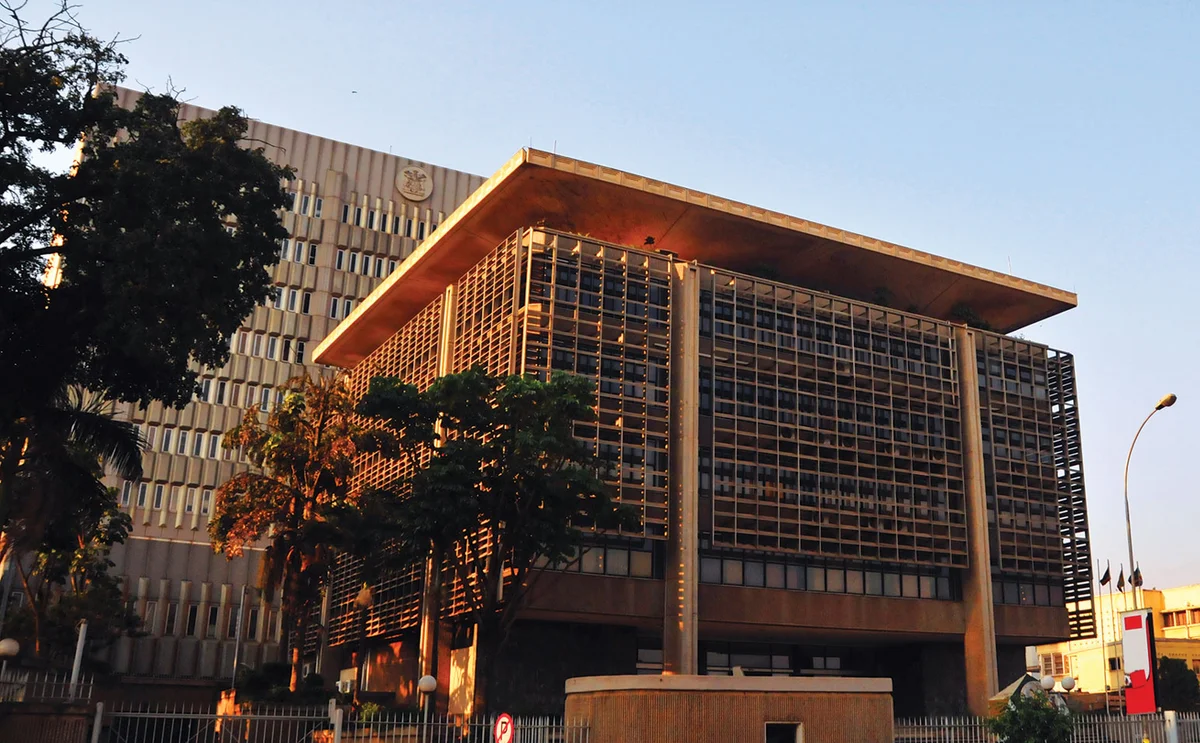
The Bank of Uganda has released the results of the 7 October 2026 Uganda Government Treasury Bond auction, revealing strong investor demand for the 20-year bond and cut-off yields ranging from 14.000% to 16.925% across the three securities.
The auction featured re-openings of existing 3-year, 10-year and 20-year Treasury Bonds, with a combined initial offer of UGX 990 billion.
Investors submitted bids worth approximately UGX 1.459 trillion, while Bank of Uganda accepted approximately UGX 1.039 trillion across the three bonds.
The 20-year bond attracted the largest share of investor demand, receiving nearly UGX 859.4 billion in bids against an initial offer of UGX 430 billion.
Here is a breakdown of the auction results, what the yields mean and what investors should understand about these securities.
Bank of Uganda Treasury Bond Auction Results – 7 October 2026
The following results were published by Bank of Uganda following the auction held on Wednesday, 7 October 2026.
| Auction Results | 3-Year Bond | 10-Year Bond | 20-Year Bond |
|---|---|---|---|
| Coupon Rate | 12.000% | 16.000% | 15.000% |
| Cut-off Yield | 14.000% | 16.850% | 16.925% |
| Cut-off Price (per 100) | 96.230 | 101.641 | 90.188 |
| Amount Offered | UGX 230B | UGX 330B | UGX 430B |
| Amount Tendered | UGX 237.849B | UGX 361.387B | UGX 859.390B |
| Amount Accepted | UGX 210.491B | UGX 228.244B | UGX 600.390B |
| Bid-to-Cover Ratio | 1.130 | 1.583 | 1.431 |
| Maturity Date | 6 Sep 2029 | 14 May 2037 | 16 Aug 2046 |
Key Highlights from the October 2026 Auction
1. Investors submitted UGX 1.459 trillion in bids
Bank of Uganda initially offered UGX 990 billion across the three re-openings.
Investors submitted approximately UGX 1.459 trillion in bids, exceeding the aggregate initial offer by about UGX 468.6 billion.
This indicates substantial interest across the three maturities, particularly the longest-dated bond.
However, the amount tendered does not represent the amount ultimately issued. Bank of Uganda accepted approximately UGX 1.039 trillion in total.
2. The 20-year bond attracted the highest demand
The 20-year bond received approximately UGX 859.4 billion in bids against an initial offer of UGX 430 billion.
That is almost twice the amount initially offered.
Bank of Uganda accepted approximately UGX 600.4 billion for this security.
This made the 20-year bond the largest of the three securities by both total bids received and value of bids accepted.
3. The highest cut-off yield was 16.925%
The 20-year bond recorded a cut-off yield of 16.925%, marginally higher than the 10-year bond’s 16.850%.
The 3-year bond recorded a cut-off yield of 14.000%.
These yields are distinct from the coupon rates attached to each security.
For investors, understanding this difference is important when comparing bonds available at different prices and maturities.
3-Year Treasury Bond Results: 14.000% Cut-off Yield
The 3-year Treasury Bond re-opening, identified by ISIN UG12G0609291, matures on 6 September 2029.
It carries a fixed coupon rate of 12.000%.
Bank of Uganda initially offered UGX 230 billion of the security and received UGX 237.849 billion in bids.
Of this amount, UGX 210.491 billion was accepted.
The auction established a cut-off yield of 14.000% and a cut-off price of 96.230 per UGX 100 of face value.
What does this mean?
The bond’s cut-off price was below its face value.
A price of 96.230 per 100 means the auction’s marginal accepted price was below par.
Investors purchasing a bond below par pay less than its face value, while the fixed coupon payments are calculated using that face value.
This helps explain why the bond’s cut-off yield was higher than its 12.000% coupon rate.
The 3-year security also has the shortest remaining maturity among the bonds in this auction.
10-Year Treasury Bond Results: 16.850% Cut-off Yield
The 10-year Treasury Bond re-opening, ISIN UG12K1405378, carries a coupon rate of 16.000% and matures on 14 May 2037.
Bank of Uganda offered UGX 330 billion of the security.
Investors submitted bids worth approximately UGX 361.387 billion, of which UGX 228.244 billion was accepted.
The auction recorded a cut-off yield of 16.850% and a published cut-off price of 101.641 per UGX 100 of face value.
What does this mean?
The auction’s cut-off price was above the bond’s face value, while the published cut-off yield was also above its stated coupon rate.
This illustrates why investors should assess Treasury Bonds using the full pricing information, rather than relying on the coupon rate alone.
The 10-year bond recorded the highest published bid-to-cover ratio of the three securities, at 1.583.
For investors considering longer-term government securities, the 10-year bond offers a different maturity profile from the 3-year and 20-year alternatives.
20-Year Treasury Bond Results: 16.925% Cut-off Yield
The 20-year Treasury Bond, ISIN UG12L1608466, attracted the greatest amount of investor interest in the October auction.
The bond carries a 15.000% coupon and matures on 16 August 2046.
Against an initial offer of UGX 430 billion, investors submitted approximately UGX 859.390 billion in bids.
Bank of Uganda accepted approximately UGX 600.390 billion, exceeding the initial offer.
The published cut-off yield was 16.925%, with a cut-off price of 90.188 per UGX 100 of face value.
What does this mean?
The 20-year bond had the highest published cut-off yield among the three securities.
Its cut-off price was also below face value.
At a price of 90.188 per 100, the bond was priced at a discount at the auction’s cut-off.
Its substantial remaining maturity means its market price may be more sensitive to interest-rate changes than that of a bond with a shorter remaining maturity.
Investors should therefore distinguish between holding a bond until maturity and potentially selling it before maturity, when the prevailing market price may have changed.
What Do the October 2026 Auction Results Tell Us?
Three observations stand out from this auction.
First, demand was strongest in absolute terms for the longest-dated security.
The 20-year bond attracted almost UGX 859.4 billion in bids, significantly more than either of the other bonds.
Second, Bank of Uganda accepted different proportions of the bids submitted.
Although investors tendered more than the initial offer for all three bonds, the accepted amounts varied. The 20-year bond’s accepted amount also exceeded its initial advertised offer.
Third, yields differed across maturities.
The 3-year bond recorded a 14.000% cut-off yield, compared with 16.850% for the 10-year bond and 16.925% for the 20-year bond.
These differences reflect the auction outcomes for securities with different maturities and cash-flow characteristics.
A higher yield does not automatically make one bond the better investment for every investor.
The appropriate maturity will depend on factors such as an investor’s financial goals, investment horizon and potential need to access funds before maturity.
Coupon Rate vs Cut-off Yield: What Is the Difference?
Treasury Bond auction reports typically publish both coupon rates and yields.
These figures serve different purposes.
The coupon rate determines the bond’s periodic interest payments based on its face value.
The cut-off yield reflects the yield associated with the marginal accepted auction bid and the bond’s pricing.
For example, the 20-year bond carries a 15.000% coupon, but its published cut-off yield in this auction was 16.925%.
This does not mean the government changed the bond’s fixed coupon rate.
Instead, the auction established a price and corresponding published yield for the existing security.
Because these bonds are re-openings, their coupon rates and maturity dates remain unchanged.
For investors reviewing bond opportunities, it is important to understand the price, yield, remaining maturity and payment schedule rather than relying only on the advertised coupon.
What Happens to Treasury Bonds After an Auction?
Once an auction has been completed, successful bids are settled according to the auction schedule.
For the 7 October 2026 auction, the settlement date was 8 October 2026.
After issuance and settlement, government securities may also be traded in the secondary market, subject to market availability.
This creates another way for investors to access Treasury Bonds beyond participating directly in a primary auction.
However, the price of a bond in the secondary market may differ from its price in the original auction.
The yield available to a buyer will also depend on the price at which the bond is purchased.
How to Invest in Treasury Bonds Through Level Africa
You do not have to wait for a new government auction to explore Treasury Bonds.
Through Level Africa, investors can review Treasury Bonds available on the platform and invest online.
Here is how to get started:
Step 1: Create & Verify Your Account
Sign up on Level Africa and complete the account verification process.
Step 2: Fund Your Wallet
Add money to your Level Africa wallet.
Step 3: Choose a Treasury Bond
Browse the Treasury Bonds currently available and review the investment details, including maturity, pricing and yield information where provided.
Step 4: Invest & Track
Complete your investment and monitor it from your Level Africa account.
Explore Treasury Bonds on Level Africa
You can also use our Treasury Bond Calculator to explore estimated coupon payments and investment cash flows.
Final Thoughts
The October 2026 Treasury Bond auction attracted bids exceeding the initial total amount offered, with particularly strong demand for the 20-year security.
The auction established cut-off yields of 14.000%, 16.850% and 16.925% across the three maturities.
For investors, the results reinforce the importance of looking beyond coupon rates to understand bond prices, yields, remaining maturities and how each investment fits into their financial plans.
When Is the Next Bank of Uganda Treasury Bond Auction?
The next auction is scheduled for 28 October 2026.
Investors can follow the Bank of Uganda Treasury Bond Auction Calendar for upcoming auctions and important dates.
For more information about government bond yields, visit our Treasury Bond Rates in Uganda resource.
Frequently Asked Questions
What were the Treasury Bond yields on 7 October 2026?
The Bank of Uganda published cut-off yields of 14.000% for the 3-year bond, 16.850% for the 10-year bond and 16.925% for the 20-year bond.
Which Treasury Bond attracted the highest demand?
The 20-year Treasury Bond attracted the largest amount of bids, approximately UGX 859.4 billion, against an initial offer of UGX 430 billion.
How much did Bank of Uganda accept?
Approximately UGX 1.039 trillion was accepted across the three Treasury Bond re-openings.
Why are coupon rates different from auction yields?
Coupon rates determine fixed coupon payments based on face value, while auction yields reflect the bond’s pricing and cash flows. A bond purchased above or below face value can have a yield different from its coupon rate
Can I buy Treasury Bonds after the auction?
Yes. Government Treasury Bonds can be available in the secondary market after issuance. Availability and pricing depend on market conditions.
When is the next Treasury Bond auction in Uganda?
The next auction is scheduled for 28 October 2026. Investors should consult the latest Bank of Uganda auction calendar and announcements for confirmation of the securities and terms.