
A government bond is an investment that allows you to lend money to the government and earn interest in return.
Instead of borrowing money only from banks and other institutions, governments can raise money from investors by issuing securities such as Treasury Bonds.
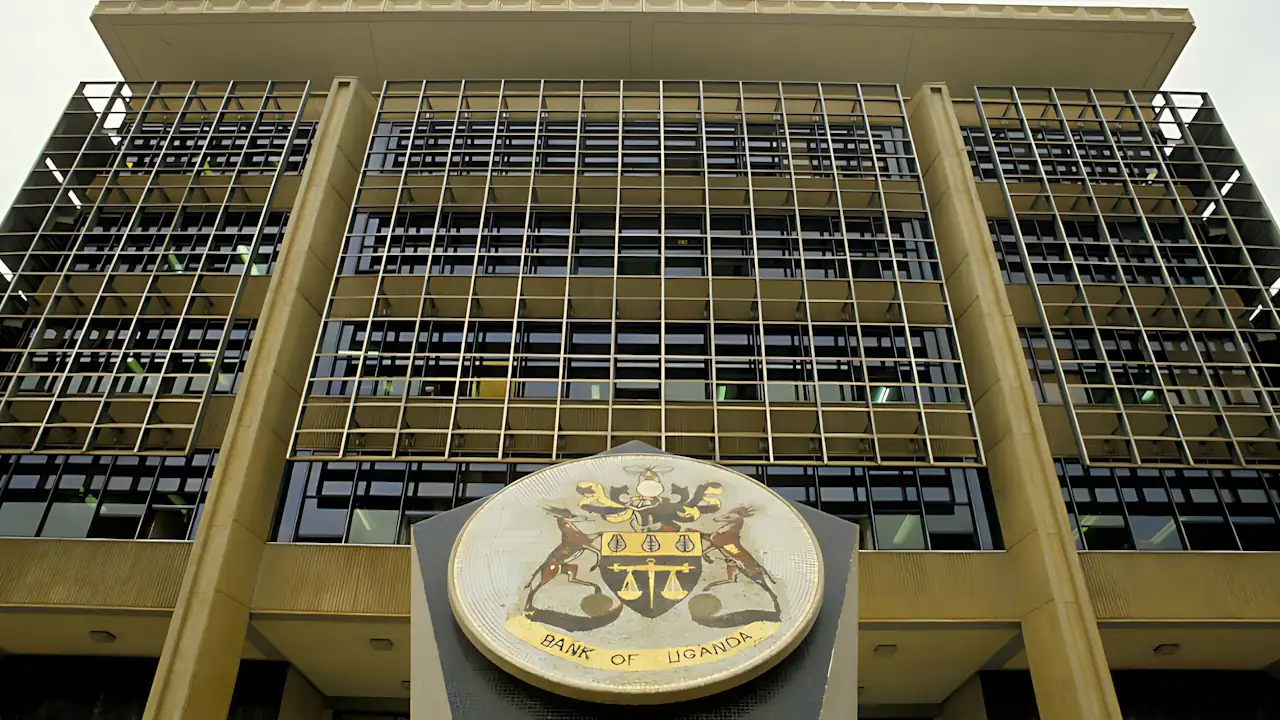
In Uganda, government securities are issued by the Government of Uganda, with the Bank of Uganda conducting government securities auctions.
For investors, government bonds can provide a way to earn regular income while investing in government-backed securities.
Here’s how they work.
How Does a Government Bond Work?
The easiest way to understand a government bond is to think of it as a loan.
Normally, when you borrow money from a bank:
The bank gives you money → You pay the bank interest → You eventually repay the loan.
With a government bond, the roles are reversed:
You invest money → The government pays you interest → The bond eventually matures.
The conditions of that investment are defined by the particular bond.
These include its:
- Coupon rate
- Maturity date
- Face value
- Interest payment schedule
If the bond is bought or sold in the market, its price and yield also become important.
Why Does the Government Borrow Money?
Governments have financing requirements just like businesses and individuals, although on a much larger scale.
Government securities provide a mechanism through which governments can raise funds from investors.
Rather than an investor simply depositing money into a government account, the investment takes place through a defined security with specific terms.
In Uganda, these government securities include Treasury Bills and Treasury Bonds.
What Is a Treasury Bond?
A Treasury Bond is a longer-term government security.
When you invest in a Uganda Treasury Bond, you are effectively lending money to the Government of Uganda for a defined period.
In return, the bond generally provides scheduled interest payments called coupons.
Treasury Bond coupons in Uganda are generally paid every six months.
At maturity, repayment takes place according to the terms of the particular security.
For a detailed explanation, read Treasury Bonds in Uganda: How They Work, Returns, Risks & Investing.
What Is the Difference Between Treasury Bonds and Treasury Bills?
Both are government securities, but they don’t work in exactly the same way.
| Treasury Bonds | Treasury Bills | |
|---|---|---|
| Issuer | Government of Uganda | Government of Uganda |
| Investment Horizon | Longer term | Shorter term |
| Return Structure | Generally coupon payments | Generally issued at a discount |
| Regular Interest Payments | Generally every six months | No regular coupon payments |
| Typical Purpose for Investors | Longer-term investing and income | Shorter-term investment |
Treasury Bills are therefore generally more relevant to shorter investment periods, while Treasury Bonds provide access to longer-term government securities.
How Do Government Bonds Make Money?
For Treasury Bond investors, there are two important ways to think about returns.
1. Interest Payments
Treasury Bonds generally pay interest through coupon payments.
Suppose you hold UGX 10,000,000 in face value of a Treasury Bond with a 15% annual coupon rate.
The annual coupon would be:
UGX 1,500,000 before applicable taxes.
Because coupons are generally paid every six months, this would typically mean:
UGX 750,000 every six months before applicable taxes.
2. Changes in the Bond’s Price
Government bonds can also be bought and sold on the secondary market.
The market price of an existing bond can change.
If you sell before maturity, you may receive more or less than the price you originally paid.
That’s why coupon rate isn’t the same thing as your total investment return.
What Is a Government Bond Interest Rate?
When people talk about a government bond’s “interest rate,” they may actually be referring to different things.
Two numbers are particularly important.
Coupon Rate
The coupon rate determines the scheduled interest payments based on the bond’s face value.
Yield
Yield helps show the return relative to factors including the price paid for the bond and its expected cash flows.
These numbers can be different.
For example, an existing Treasury Bond might have a 15% coupon rate but trade at a price that results in a different yield.
This is especially important when buying bonds that have already been issued.
For current figures and a deeper explanation, see Treasury Bond Rates in Uganda.
Are Government Bonds Safe?
Government bonds are generally considered lower-risk investments compared with many market-based investments because they are government securities.
However, that doesn’t mean investors should treat them as completely risk-free.
There are still several considerations.
Market Risk
If you sell your Treasury Bond before maturity, its market price may have changed.
Interest Rate Risk
Changes in prevailing interest rates can affect the value and yield of existing bonds.
Inflation Risk
Inflation can reduce the purchasing power of the income your investment generates.
Liquidity
Although Treasury Bonds can be traded on the secondary market, the price available when you want to sell will depend on market conditions.
The important question isn’t simply “Is this safe?”
It is also:
“Does this investment fit my goals, investment period and need for access to my money?”
How Long Do Government Bonds Last?
Different government bonds have different maturity dates.
Treasury Bonds are generally longer-term investments than Treasury Bills.
A bond’s maturity tells you when it reaches the end of its investment term.
This matters because a bond with a relatively near maturity can behave differently from one with many years remaining.
Before investing, always check the actual maturity date of the security you’re considering.
Do Government Bonds Pay Interest Every Month?
Uganda Treasury Bonds generally do not pay coupon interest monthly.
Coupon payments are generally made every six months according to the schedule of the particular bond.
If you want to use Treasury Bonds to generate investment income, this payment frequency is important when planning your cash flow.
Can You Lose Money on a Government Bond?
It is possible for the value of a bond to change.
This is particularly relevant if you sell before maturity.
Suppose market conditions change after you buy a Treasury Bond.
The price another investor is willing to pay for your bond may be higher or lower than what you originally paid.
Selling early can therefore affect your investment return.
Investors should distinguish between the scheduled terms of a bond and the price at which that bond can be traded before maturity.
Can You Sell a Government Bond Before It Matures?
Yes.
Treasury Bonds can be traded on the secondary market.
That means you don’t necessarily have to hold a Treasury Bond until its maturity date.
However, selling early is not the same as withdrawing money from a savings account.
The amount you receive depends on the market price available when you sell.
This is one reason your investment horizon matters when choosing a Treasury Bond.
Do You Have to Wait for a Government Bond Auction?
No.
The Bank of Uganda conducts government securities auctions through which Treasury Bonds can be issued or reopened.
But existing Treasury Bonds can also be available through the secondary market.
This means an investor may be able to buy an existing Treasury Bond without waiting for the next government securities auction.
If you specifically want to follow upcoming auctions, see the Bank of Uganda Treasury Bond Auction Calendar 2026/27.
How Much Money Do You Need to Invest in Government Bonds?
Treasury Bond opportunities available through Level Africa start from UGX 100,000, subject to the minimum investment and terms of the particular opportunity.
This means government securities don’t necessarily have to be investments only for institutions or people with very large amounts of money.
Before investing, check the terms of the specific Treasury Bond available.
How to Buy Government Bonds in Uganda
Treasury Bonds are available through Level Africa.
The process can be completed in four steps.
1. Create & Verify
Create your Level account and complete the required identity verification.
2. Fund Wallet
Add money to your Level wallet using the available funding options.
3. Choose a Treasury Bond
Compare available Treasury Bonds based on their yield, coupon rate, price, maturity and other terms.
4. Invest & Track
Complete your investment and monitor it through your Level dashboard.
For the complete walkthrough, read How to Buy Treasury Bonds in Uganda: A Step-by-Step Guide.
Who Might Consider Government Bonds?
Government bonds can be relevant to investors looking for:
Regular Income
Treasury Bonds generally provide scheduled coupon payments.
Lower-Risk Investments
Government securities may appeal to investors prioritising capital preservation relative to higher-risk investments.
Longer-Term Investing
Different Treasury Bond maturities can support different investment horizons.
Diversification
Government securities can form one part of a broader investment portfolio.
Whether a Treasury Bond is suitable still depends on your goals, investment period, liquidity needs and the terms of the particular security.
Government Bonds vs Keeping Money in a Savings Account
A government bond and a savings account serve different purposes.
With a savings account, the emphasis is generally on keeping money accessible while earning whatever interest the account provides.
A Treasury Bond is an investment security with a defined coupon, maturity and market value.
Treasury Bonds may provide attractive income opportunities, but your capital isn’t accessed in exactly the same way as money held in a normal bank account.
If you sell a Treasury Bond before maturity, its prevailing market price matters.
The better option therefore depends on what the money is for and when you expect to need it.
Frequently Asked Questions
What is a government bond in simple terms?
A government bond allows you to lend money to a government for a defined period under specified terms. Treasury Bonds generally provide scheduled interest payments during the life of the investment.
What are government bonds called in Uganda?
Uganda’s government securities include Treasury Bonds and Treasury Bills.
Who issues government bonds in Uganda?
Treasury Bonds are securities issued by the Government of Uganda, with the Bank of Uganda conducting government securities auctions.
How do government bonds make money?
Treasury Bonds primarily generate income through scheduled coupon payments. Your overall return can also be affected by the price at which you buy or sell the bond.
How often do government bonds pay interest in Uganda?
Uganda Treasury Bond coupons are generally paid every six months.
Are government bonds risk-free?
Government securities are generally considered lower risk than many market-based investments, but investors should still consider factors such as inflation, interest rates, liquidity and changes in market prices.
Can I sell a government bond before maturity?
Yes. Treasury Bonds can be traded on the secondary market, although the price available when you sell depends on prevailing market conditions.
What is the difference between a government bond and a Treasury Bond?
“Government bond” is a broad description of a bond issued by a government. In Uganda, Treasury Bonds are government securities used for longer-term borrowing.
How much do I need to invest?
Treasury Bond opportunities available through Level Africa start from UGX 100,000, subject to the terms of the particular opportunity.
Can I buy government bonds online in Uganda?
Eligible investors can access available Treasury Bond opportunities digitally through Level Africa, subject to applicable verification and investment requirements.